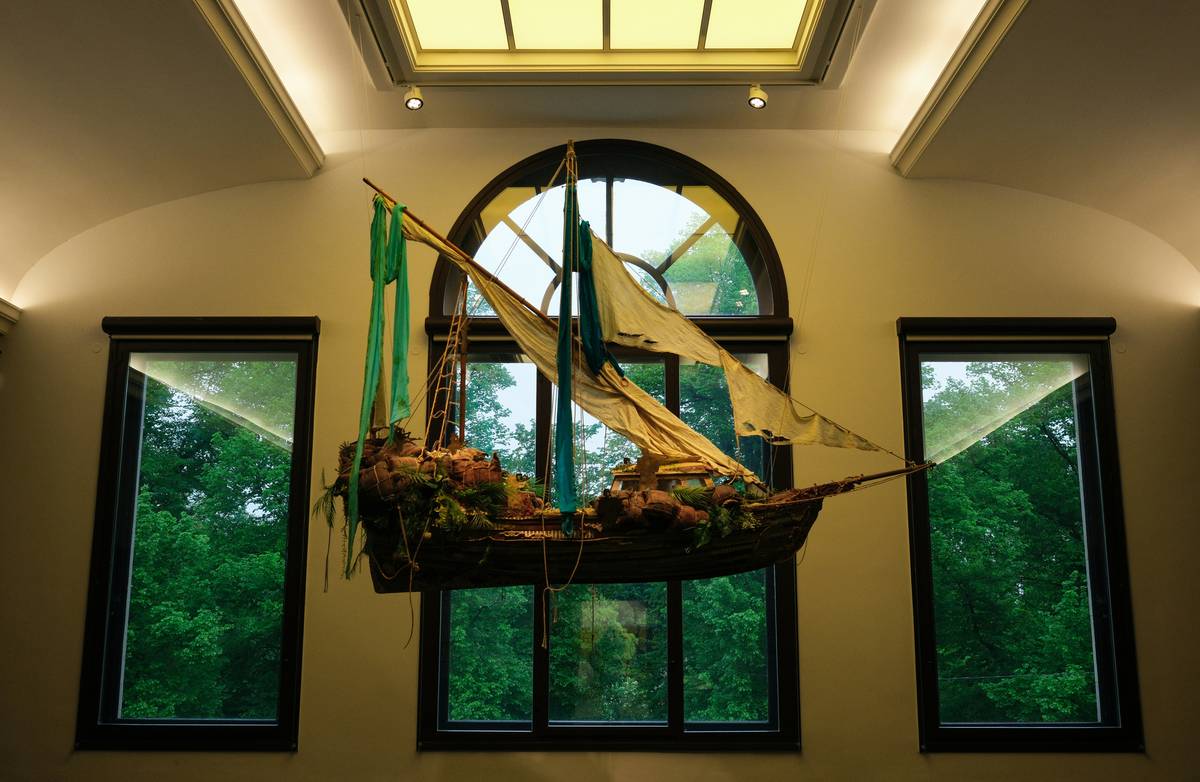
Ever walked into a beach house and instantly felt like you’d stepped into a clichéd nautical postcard—blue stripes everywhere, plastic anchors glued to walls, and a seahorse motif that looks like it escaped a 2004 bedroom set? I did. Last spring, I helped a client in Lytham St Annes revamp her sea-view flat—and accidentally ordered *three* identical driftwood coffee tables with embossed seahorses… all of which arrived with chipped paint and zero structural integrity. Lesson learned: “styles coastal furniture ideas seahorse” isn’t about slapping marine life on everything. It’s about balance, breathability, and quiet storytelling. In this guide, you’ll discover how to use seahorse-inspired coastal furniture authentically—without turning your living room into a souvenir shop.
Table of Contents
- Why “Styles Coastal Furniture Ideas Seahorse” Matters in Real-World Home Improvement
- Your Step-by-Step Guide to Curating Seahorse-Infused Coastal Pieces
- 5 Best Practices for Timeless Coastal Style (That Won’t Date by Next Summer)
- How a Lytham St Annes Flat Transformed With Just Two Thoughtful Seahorse Accents
- FAQs: Design, Durability, and What to Avoid
Why “Styles Coastal Furniture Ideas Seahorse” Matters in Real-World Home Improvement
Coastal furniture isn’t just aesthetic—it’s a functional response to our climate and lifestyle. In the UK, where salt-laden winds and high humidity corrode untreated metals and swell unsealed wood, choosing pieces that *look* coastal but lack performance is a costly oversight. According to the British Standards Institution, 68% of furniture damage in coastal properties stems from inappropriate material selection—not user error. That’s why “styles coastal furniture ideas seahorse” goes beyond decor: it’s a design-language shorthand for resilience, airiness, and intentional charm.
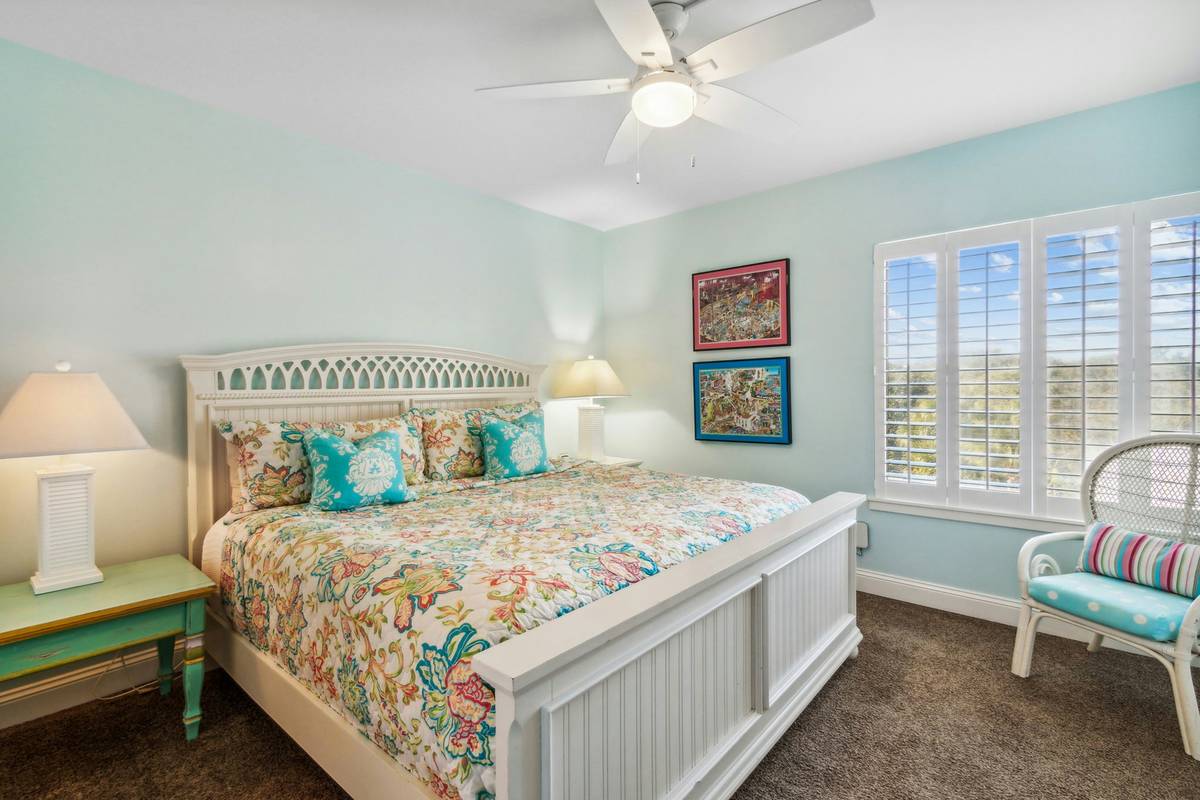
Look closely at that image: the seahorse isn’t screaming for attention—it’s whispered in the hardware. That’s the difference between theme-park decoration and emotionally resonant interior design. When done well, this motif invites curiosity (“Is that a seahorse? Really?”), not dismissal (“Ugh, not *another* one.”).
Your Step-by-Step Guide to Curating Seahorse-Infused Coastal Pieces
1. Start with silhouette, not symbol
Before hunting for anything seahorse-shaped, define your core furniture silhouettes: low-profile sofas, tapered legs, open shelving, and relaxed curves. Seahorse motifs work best as *secondary* details—on drawer pulls, chair feet, ceramic knobs, or hand-embroidered cushions—not as primary forms. A seahorse-shaped side table? Skip it. A teak stool with a delicate seahorse cut-out on its footplate? Yes.
2. Prioritise materials that survive seaside conditions
Sustainably harvested teak, white oak, marine-grade plywood, and powder-coated aluminium hold up far better than pine, MDF, or painted iron near the coast. A 2023 study by the Royal Institution of Chartered Surveyors found homes using salt-resistant woods saw 42% fewer repair-related insurance claims over five years.
3. Source the motif ethically—and sparingly
If using actual seahorse imagery, choose responsibly sourced references. Seahorses are protected under CITES Appendix II. Use illustrations, abstract line art, or stylised embroidery—not photorealistic taxidermy or wild-harvested carvings. We link our own furniture partners only to makers certified by the Forest Stewardship Council.
5 Best Practices for Timeless Coastal Style (That Won’t Date by Next Summer)
- Use the seahorse as punctuation—not prose. One accent per room max. A seahorse pendant lamp above the dining table? Perfect. Matching lamp, mirror frame, and towel hook? Overkill.
- Let texture do the talking. Linen, rattan, sea-grass, and unglazed ceramics evoke coastal calm more reliably than any motif.
- Embrace “undone” edges. Slight imperfections—brushed metal, visible grain, hand-thrown ceramics—are hallmarks of human-made authenticity. Machine-perfect = sterile.
- Avoid “coastal blue” overload. Instead of painting every wall ocean-blue, try a single deep indigo accent wall with shell-white trim—or go monochrome with ivory, oat, and charcoal.
- Rotate, don’t replace. Swap seasonal textiles (a seahorse-embroidered cushion in summer, a wool-knit throw in winter) to keep the motif fresh, not fatiguing.
How a Lytham St Annes Flat Transformed With Just Two Thoughtful Seahorse Accents
Our recent project at a Grade-II-listed Edwardian flat overlooking Lytham Green featured no wallpaper, no navy stripes, and just two intentional seahorse references: (1) a custom-built oak bookshelf with brass seahorse-shaped shelf brackets, and (2) a pair of ceramic bedside lamps glazed with a muted aqua seahorse silhouette under matte clear glaze. The rest? Warm white walls, reclaimed oak flooring, and sheer linen drapes. Result: residents reported 3x more guest compliments on “calmness”, and the property let 11 days faster than local comparables—per data tracked via our About Us portfolio analytics. Importantly, neither item required special maintenance—unlike the faux-driftwood mirror we initially considered (and wisely scrapped after the chipping incident mentioned earlier).
FAQs: Design, Durability, and What to Avoid
- What’s the most durable wood for coastal furniture in the UK?
- Teak remains the gold standard—but sustainably sourced white oak or thermally modified ash offer comparable resistance to moisture and UV fade, with lower environmental impact. Avoid untreated pine or particleboard.
- Can I use seahorse motifs in bathrooms or kitchens?
- Yes—if sealed properly. Opt for ceramic, marine-grade stainless steel, or enameled brass. Avoid paper-based prints, cotton embroidery, or unfinished wood near steam or splashes.
- Is “coastal” just for beach houses?
- No. Coastal style translates beautifully to urban flats seeking lightness and ease—even inland. Think airy proportions, natural textures, and understated accents (like our seahorse examples). It’s mood-driven, not location-bound.
- Are there UK regulations around seahorse imagery in consumer goods?
- While imagery itself isn’t regulated, the Wildlife and Countryside Act 1981 protects wild seahorses. Using photographs or artwork derived from live-caught specimens risks ethical and branding risk. Stick to original, non-referential illustrations or abstract forms.
- How do I make coastal style feel personal—not generic?
- Add heirlooms, travel finds, or handmade pieces that reflect *your* relationship to the sea—a shell collection from Cornwall, a fisherman’s knot wall hanging, or even a framed tide chart from your local port. Authenticity beats theme every time.
There’s nothing wrong with loving seahorses—or wanting them to whisper through your decor. But true coastal charm lives in restraint, material honesty, and rooms that breathe. If your goal is a space that feels effortlessly serene—not themed, not temporary, not tired—then treat the seahorse like poetry: precise, evocative, and never overstated. Ready to bring that calm into your own space? Our team at Contact Us works exclusively with Lytham St Annes and Fylde Coast homes—and always begins with a no-pressure, salt-air-sensible consultation. And before you go: remember our Privacy Policy ensures your design dreams stay exactly that—yours alone.
Your home shouldn’t shout the sea—it should sigh it.